


Overview
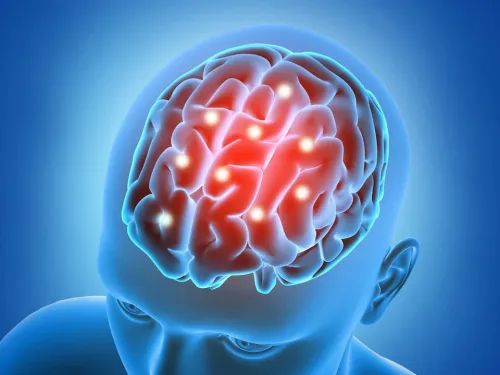
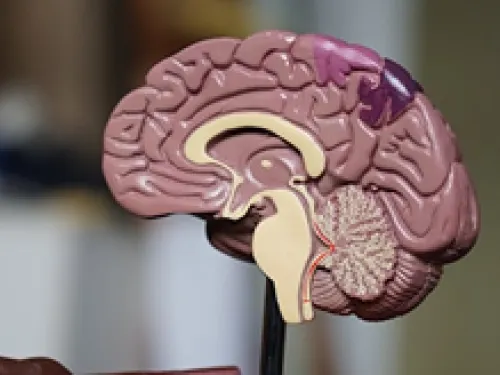
Head injury (traumatic brain injury, TBI) ranges from mild concussion to severe brain injury requiring emergency neurosurgery. Prompt evaluation with CT brain and early neurosurgical intervention can be life-saving. Red flags after head injury — loss of consciousness, repeated vomiting, worsening headache, seizure, limb weakness, or clear fluid from the nose or ears — require immediate emergency care. At Medanta Hospital, Sector 50, Noida, Team Sushrut provides 24×7 emergency neuro cover for head injuries, including ICP monitoring, evacuation of haematomas, and decompressive craniectomy.
Symptoms
Loss of consciousness (any duration)
Confusion or amnesia for the event
Worsening headache after head injury
Repeated vomiting
Seizures after head trauma
Clear fluid from nose or ears (CSF leak)
Weakness of arm or leg
Unequal pupils
Treatments
Immediate CT brain for diagnosis of intracranial haemorrhage
ICP monitoring for severe TBI in neuro-ICU
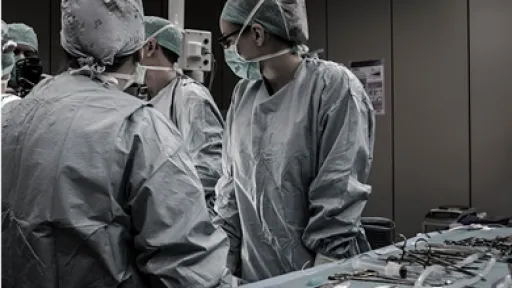
Surgical evacuation
Decompressive craniectomy for refractory intracranial hypertension
Medical management of TBI
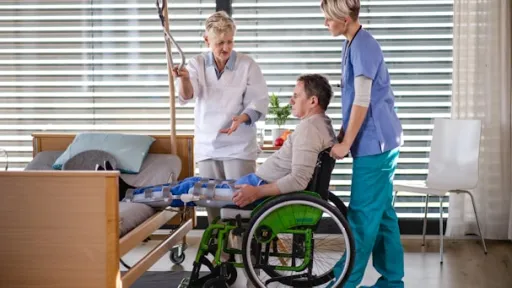
Rehabilitation post-TBI
Your Specialists Team
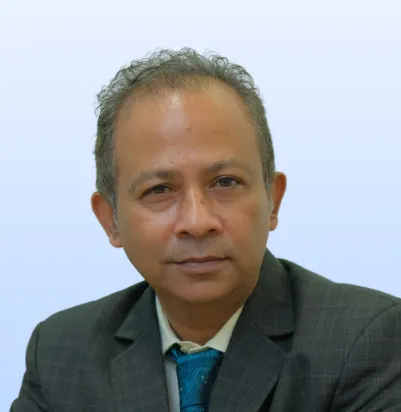
Dr. Yashpal Singh Bundela
Director – Neurosurgery, Functional Neurosurgery and Spine Surgery
M.Ch
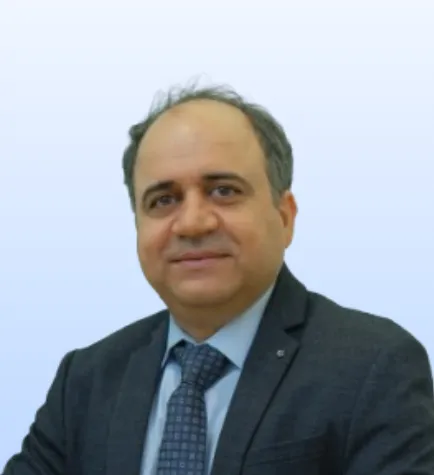
Dr. Anil Dhar
Associate Director – Neurosurgery and Stereotactic Radiosurgery
M.Ch.
Dr. Dipanshu Narula
Senior Consultant – Neurosurgery and Neurotrauma
M.Ch

Dr. Ashutosh Kumar
Consultant – Neurosurgeon
DNB
Dr. Brijesh Joshi
Consultant – Neurosurgeon
DNB
FAQ
Which head injuries need surgery?
Surgical indications include: extradural haematoma (any symptomatic EDH; and EDH >30 ml or >15 mm thickness regardless of consciousness), acute subdural haematoma with clot >10 mm thickness or midline shift >5 mm, depressed skull fracture greater than skull thickness, and penetrating head injuries. Team Sushrut at Medanta Hospital, Sector 50, Noida follows established TBI guidelines to determine when surgery is needed.
What is a 'lucid interval' in head injury?
A lucid interval is the period of apparent recovery of consciousness between the initial post-traumatic period and subsequent deterioration — classically associated with extradural (epidural) haematoma. A patient who 'talked and died' describes someone who was briefly conscious after a head injury then deteriorated. This is a neurosurgical emergency. If someone seems fine after a head injury and then becomes drowsy or unresponsive, call emergency services immediately.
Is 24×7 emergency brain injury surgery available in Noida?
Yes. Medanta Hospital, Sector 50, Noida has a 24×7 emergency neurosurgery service. Team Sushrut members on call around the clock for emergency head injury management. Emergency contact: +91 98103 24401.
What is the Glasgow Coma Scale?
The Glasgow Coma Scale (GCS) is a standardised neurological assessment tool measuring eye opening (1–4), verbal response (1–5), and motor response (1–6) — total score 3–15. GCS 13–15 indicates mild TBI; 9–12 moderate TBI; 3–8 severe TBI. GCS score guides management decisions, monitoring intensity, and prognosis in head-injured patients.