






Director Neurology
Drug Resistant Epilepsy
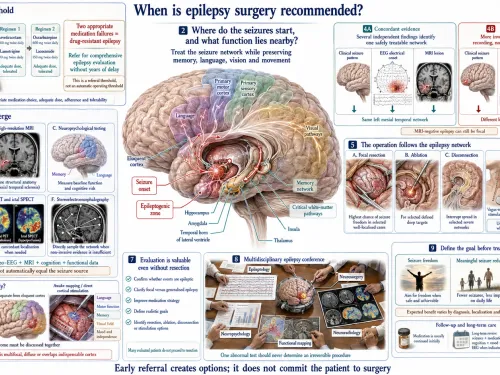
Epilepsy is a commonly occurring group of related disorders that is characterized by a tendency for recurrent seizures. It occurs due to the abnormal electrical activity that originates in the brain resulting in electrical storm that produces seizures. Seizure is the main and common symptom of epilepsy. Although epilepsy can be controlled by various AEDs but if it is not controlled by medicines, it is termed as drug-resistant/uncontrolled/refractory epilepsy. It is characterized by frequent and severe seizures in a person even after the use of two most appropriate seizure medications (called AEDs) prescribed according to seizure type, patient tolerance etc. It is estimated that there are around 30% patients affected with drug-resistant epilepsy.
Inappropriate diagnosis and treatment of epilepsy can make the disease worse and patient may continue to have seizures. That is why careful differential diagnosis of epilepsy should be done with all other disorders that may cause seizures like migraine, syncope, mini-stroke etc. In cases with appropriate diagnosis, treatment should be done according to the seizure type. Drugs, dosage and their schedule should be in accordance with the seizure type. In addition to this, patient should be very well educated about the role of triggers and how to avoid them for a seizure free life.
The last reason can be the best way to describe drug-resistant epilepsy in which diagnosis and treatment are appropriate but the patient is not responding to the treatment.
Symptoms
Treatments
Causes of uncontrolled seizures
Seizures may continue to occur in a patient due to any of the following reasons:
- Wrong diagnosis
- Wrong treatment
- Uncontrolled triggers or lifestyle factors
- Accurately diagnosed seizures do not respond to the best medical treatment