


Director – Neurology
Stroke is the sudden loss of brain function due to interruption of the brain's blood supply — either ischaemic (clot blocking an artery, 85% of cases) or haemorrhagic (bleeding into the brain, 15%). Stroke is a leading cause of death and long-term disability worldwide. It is also one of the most time-critical emergencies in medicine. At Medanta Hospital, Sector 50, Noida, Team Sushrut provides 24×7 emergency stroke care — IV thrombolysis, mechanical thrombectomy (endovascular clot retrieval), haemorrhage management, and comprehensive post-stroke neurology and rehabilitation.
Symptoms
Treatments
Dr. Kapil Singhal
Director – Neurology
M.D. D.M
Dr. Namita Kaul
Director – Neurology
M.D. DNB
Dr. Girish Rajpal
Director – Neurointervention Surgery and Stroke
M.Ch, AFSA, FINR
Dr. Deepak Lohia
Consultant – Neurosurgeon and Endovascular Neurosurgeon
M.Ch, Fellow Osaka Metropolitan University, Japan
Dr. Prerna Dogra
Consultant – Neurology
DNB
Dr. Payas Joshi
Consultant – Neurology
DNB
What is the FAST test for stroke?
FAST stands for Face (does one side droop?), Arms (can both be raised equally?), Speech (is it slurred or confused?), Time (call emergency immediately if any sign is present). FAST takes 30 seconds to apply and enables early recognition of stroke, which is critical for timely treatment. Time is brain — for every minute of large vessel occlusion, approximately 1.9 million neurons die.
Now it is called BEFAST where B stands for balance disturbances and E for eye movement problems
Can a stroke be prevented?
Yes, up to 80% of strokes are preventable. Key risk factors include hypertension, diabetes, atrial fibrillation (AF), smoking, high cholesterol, obesity, and physical inactivity. If a patient has had a TIA (transient ischaemic attack — a 'mini-stroke' lasting minutes with full recovery), they have a high short-term risk of stroke and require urgent evaluation and initiation of preventive treatment within 24 hours.
What is a TIA and is it urgent?
A TIA (transient ischaemic attack) is a brief episode of stroke symptoms that fully resolves — typically within minutes to an hour. Although symptoms resolve, a TIA is a medical emergency because it signals high short-term stroke risk. One in ten TIA patients has a stroke within 7 days. Dr. Kapil Singhal and Dr. Namita Kaul at Team Sushrut provide urgent TIA evaluation and treatment initiation at Medanta Hospital, Sector 50, Noida.
Is post-stroke rehabilitation available in Noida?
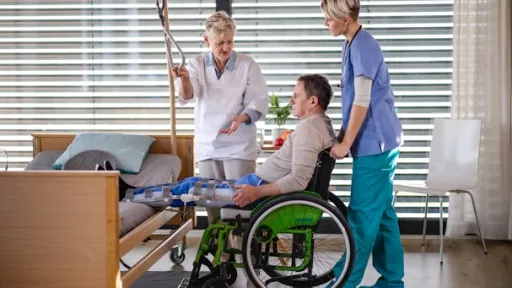
Yes. Medanta Hospital, Sector 50, Noida provides in-patient and out-patient post-stroke rehabilitation including physiotherapy, speech and language therapy, and occupational therapy, coordinated by Team Sushrut's neurology team. Early and intensive rehabilitation — starting within 24–48 hours of stroke — produces the best functional recovery.