




Senior Consultant – Neurosurgery
A ventriculoperitoneal (VP) shunt is a surgical device implanted to treat hydrocephalus by diverting excess cerebrospinal fluid (CSF) from the brain's ventricles to the peritoneal cavity (abdominal cavity), where it is absorbed. The system consists of a ventricular catheter, a programmable valve, and a peritoneal catheter. VP shunts are effective for all types of hydrocephalus and are used in infants, children, and adults. At Medanta Hospital, Sector -50, Noida, Team Sushrut implants programmable VP shunts (allowing non-invasive pressure adjustment after surgery) and performs shunt revisions for blocked or infected shunts.
Symptoms
Treatments
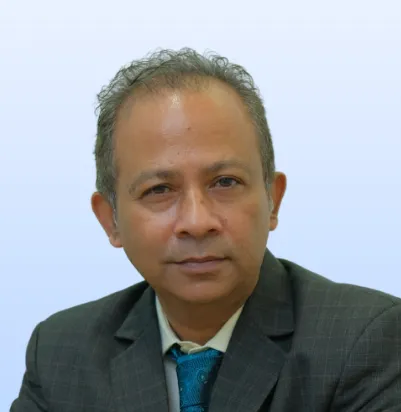
Dr. Yashpal Singh Bundela
Director – Neurosurgery, Functional Neurosurgery and Spine Surgery
M.Ch
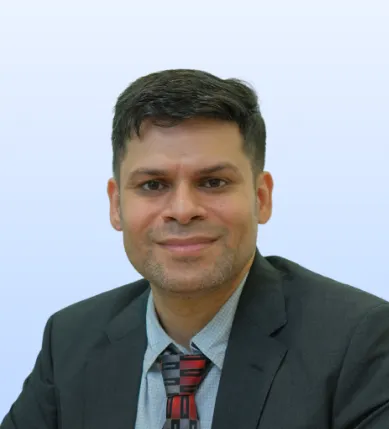
Dr. Dipanshu Narula
Senior Consultant – Neurosurgery and Neurotrauma
M.Ch
What is a programmable VP shunt?
A programmable VP shunt has a valve that can be non-invasively adjusted — using a magnetic adjustment device on the skin surface — to change the CSF drainage pressure setting without further surgery. This allows fine-tuning of drainage after implantation and management of complications such as over-drainage (causing headache when sitting up) or under-drainage (causing headache at rest). Dr. Vaish uses programmable Codman or Medtronic shunts at Medanta Noida.
How long does a VP shunt last?
A VP shunt has no defined lifespan. Some patients go years or decades without problems; others require revision within months. Common causes of revision include: proximal (ventricular catheter) blockage by choroid plexus, distal (peritoneal catheter) blockage, shunt infection (typically within 6 months of insertion), and shunt fracture. In growing children, the peritoneal catheter may need lengthening.
How is shunt infection treated?
Shunt infection requires removal of the entire shunt, temporary CSF drainage via external ventricular drain (EVD), intravenous antibiotics for 10–14 days, and re-implantation of a new shunt once the infection is cleared. The most common causative organisms are coagulase-negative Staphylococcus (staph. epidermidis) and Staphylococcus aureus.
Is VP shunt surgery available in Noida?
Yes. Dr.Yashpal Singh Bundela and Dr. Dipanshu Narula at Team Sushrut, Medanta Hospital, Sector 50, Noida perform VP shunt implantation and revision for all age groups. Contact: +91 98103 24401.