
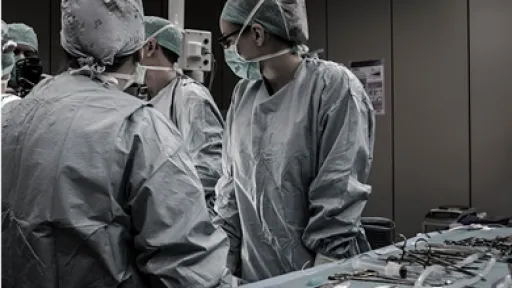



Overview
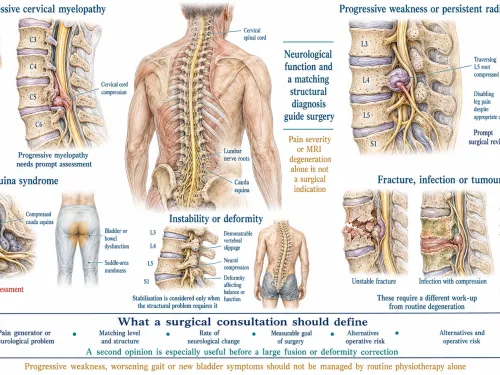
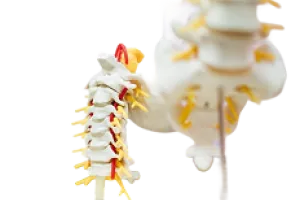
Spinal fixation (instrumented spinal fusion) uses titanium screws, rods, cages, and plates to stabilise one or more spinal segments, preventing movement that causes pain or neurological risk. It is indicated for vertebral fractures, spondylolisthesis (slippage of one vertebra over another), spinal instability after disc or tumour surgery, degenerative scoliosis, and failed disc surgery (FBSS). At Medanta Hospital, Noida, Dr. Yashpal Singh Bundela (MCh Neurosurgery) performs posterior pedicle screw fixation, anterior interbody fusion (ALIF), and minimally invasive transforaminal fusion (MIS-TLIF).
Symptoms
Spondylolisthesis
Vertebral fractures
Failed back surgery syndrome
Progressive scoliosis causing pain and neurological symptoms
Treatments
Posterior pedicle screw and rod fixation
Minimally invasive TLIF (MIS-TLIF)
ALIF (anterior lumbar interbody fusion)
Vertebroplasty or kyphoplasty for osteoporotic compression fractures
Neuronavigation-guided pedicle screw placement for accuracy
Your Specialists Team
Dr. Yashpal Singh Bundela
Director – Neurosurgery, Functional Neurosurgery and Spine Surgery
M.Ch

Dr. Manish Vaish
Director and Head - Neurosciences
DNB. AANS International Fellow
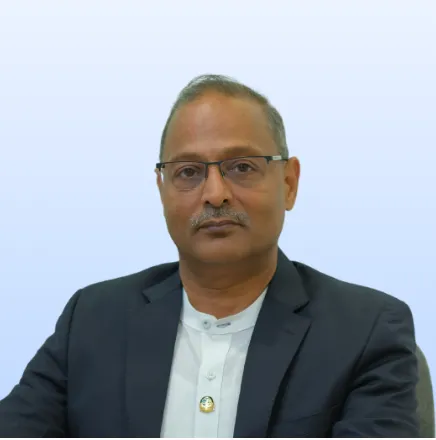
Dr. Anil Dhar
Associate Director – Neurosurgery and Stereotactic Radiosurgery
M.Ch.
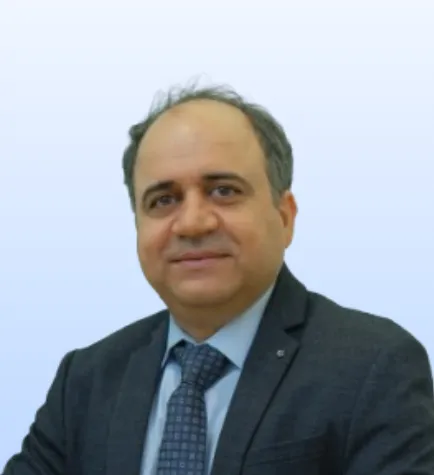
Dr. Dipanshu Narula
Senior Consultant – Neurosurgery and Neurotrauma
M.Ch

FAQ
Is spinal fusion permanent?
Spinal fusion creates a permanent bony union between vertebrae, eliminating movement at the fused levels. The titanium instrumentation (screws, rods) provides immediate stability while the bone graft integrates over 3–12 months. Once solid fusion is achieved, the metal implants can be left in place permanently in most cases.
Does spinal fusion limit mobility?
Fusing one or two spinal levels causes minimal detectable movement restriction in daily life. The unfused segments compensate. Multi-level fusion (4+ levels) can reduce flexibility more significantly. Dr. Bundela at Team Sushrut uses the minimum number of levels required and preserves adjacent segments where possible.
What is minimally invasive spinal fusion?
MIS-TLIF (minimally invasive transforaminal lumbar interbody fusion) uses small (1.5–2 cm) incisions and tubular dilators to access the spine without extensively stripping the back muscles. This reduces post-operative pain, blood loss, and hospital stay (typically 2–3 days vs 5–7 for open fusion) and speeds return to activity.
Is spinal fixation surgery available in Noida?
Yes. Dr. Yashpal Singh Bundela (MCh Neurosurgery) and Team at Team Sushrut, Medanta Hospital, Sector 50, Noida performs posterior pedicle screw fixation and MIS-TLIF for lumbar and thoracic spine. Contact: +91 98103 24401.