



Director – Neurology
Myasthenia gravis (MG) is an autoimmune neuromuscular junction disorder in which antibodies (most commonly against acetylcholine receptors) block or destroy the neuromuscular junction, causing fluctuating skeletal muscle weakness — worse with activity, improved by rest. It characteristically causes ptosis (drooping eyelid), diplopia (double vision), facial weakness, dysphagia, and limb weakness. Myasthenic crisis — when respiratory muscles are involved — is a life-threatening emergency. At Medanta Hospital, Sector 50, Noida, Dr. Kapil Singhal and Dr Namita Kaul diagnoses and manages MG with acetylcholinesterase inhibitors, immunosuppression, IVIG/plasmapheresis, and thymectomy coordination.
Symptoms
Treatments
Dr. Kapil Singhal
Director – Neurology
M.D. D.M

Dr. Namita Kaul
Director – Neurology
M.D. DNB

What is a myasthenic crisis?
A myasthenic crisis is life-threatening weakness of the respiratory muscles causing respiratory failure, requiring ICU admission, mechanical ventilation, and urgent IVIG or plasmapheresis. Crisis can be precipitated by infection, surgery, or certain medications. If a patient with MG develops rapidly increasing difficulty breathing or swallowing, call emergency services immediately.
Does myasthenia gravis go away?
Complete remission occurs in approximately 30–40% of patients, often after thymectomy in younger patients with early generalised MG. Many more achieve stable, well-controlled disease allowing near-normal function on maintenance immunosuppression. Early diagnosis and initiation of treatment produce the best long-term outcomes.
Is thymectomy needed for all patients with myasthenia gravis?
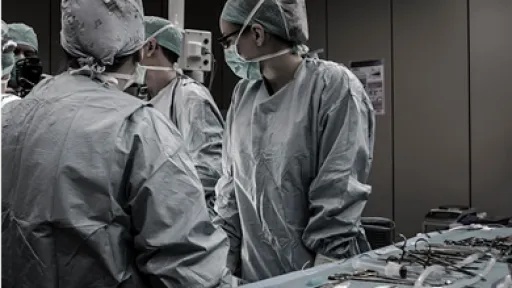
Not all patients. Thymectomy (thymus removal) is recommended for AChR antibody-positive patients under 60 with generalised MG who have had the disease for less than 5–10 years. The MGTX trial (2016) demonstrated that thymectomy significantly improves outcome and reduces the need for immunosuppression. Patients with thymoma (thymus tumour) always require thymectomy.
How is myasthenia gravis diagnosed?
Diagnosis involves: acetylcholine receptor (AChR) antibody and MuSK antibody blood tests, repetitive nerve stimulation (RNS) study showing decremental response, single-fibre EMG (most sensitive test), Tensilon (edrophonium) test, chest CT/MRI for thymoma assessment. Dr. Kapil Singhal and Dr. Namita Kaul at Team Sushrut performs the full diagnostic work-up at Medanta Noida.