



Senior Consultant – Neurosurgery
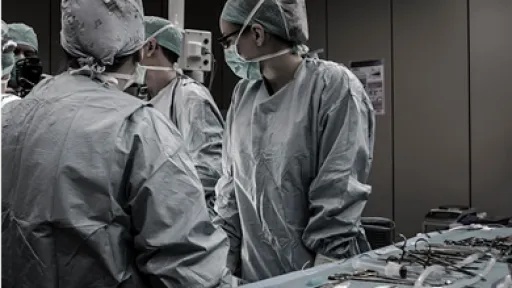
A subdural haematoma (SDH) is a collection of blood between the brain and the dura (the outermost meningeal membrane), typically resulting from tearing of bridging veins after head trauma. Acute SDH follows severe head injury and is a neurosurgical emergency. Chronic SDH accumulates slowly — often weeks after a minor or forgotten head injury — particularly in elderly patients on anticoagulants, and presents with gradual confusion, weakness, or gait disturbance. At Medanta Hospital, Noida, Team Sushrut manages acute SDH with emergency craniotomy and chronic SDH with burr hole drainage.
Symptoms
Treatments
Dr. Yashpal Singh Bundela
Director – Neurosurgery, Functional Neurosurgery and Spine Surgery
M.Ch

Dr. Anil Dhar
Associate Director – Neurosurgery and Stereotactic Radiosurgery
M.Ch.

Dr. Dipanshu Narula
Senior Consultant – Neurosurgery and Neurotrauma
M.Ch

Dr. Girish Rajpal
Director – Neurointervention Surgery and Stroke
M.Ch, AFSA, FINR
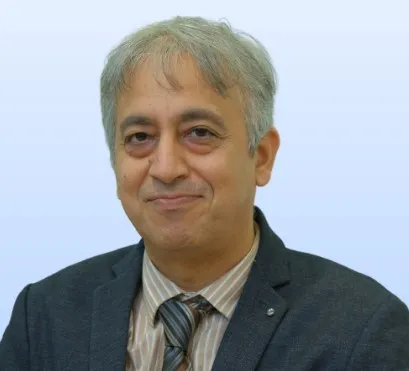
Dr. Deepak Lohia
Consultant – Neurosurgeon and Endovascular Neurosurgeon
M.Ch, Fellow Osaka Metropolitan University, Japan
Dr. Ashutosh Kumar
Consultant – Neurosurgeon
DNB
Dr. Brijesh Joshi
Consultant – Neurosurgeon
DNB
What causes a chronic subdural haematoma?
Chronic SDH usually results from tearing of small bridging veins between the brain surface and the dura after a minor or even forgotten head injury. Blood accumulates slowly over 2–6 weeks. Risk factors include: age over 65 (brain atrophy creates more space for blood to accumulate), anticoagulant therapy (warfarin, aspirin, novel anticoagulants), excessive alcohol intake, and recurrent falls.
Can chronic subdural haematoma be treated without surgery?
Small, thin, asymptomatic chronic SDHs in a stable patient may be managed conservatively with serial MRI monitoring, stopping anticoagulants if safe, and dexamethasone to reduce haematoma size. Surgery is required when the haematoma is large (>10 mm), causing midline shift, or producing neurological symptoms. In symptomatic chronic SDH, burr hole drainage produces rapid and dramatic neurological improvement.
Recently certain recurrent CSDH or high risk patients can be managed through endovascular treatment with MMA embolization.
We have a dedicated team of endovascular neurosurgeons at Medanta Hospital, Sector 50, Noida specifically to treat these type of cases.
Is subdural haematoma surgery an emergency?
Acute SDH with neurological deterioration is a neurosurgical emergency requiring surgery within hours. Chronic SDH is usually urgent (surgery within 24–48 hours of presentation) rather than an immediate emergency, but should not be delayed. Medanta Hospital, Sector 50, Noida has 24×7 emergency neurosurgical capability. Contact emergency services or Team Sushrut at +91 98103 24401.
What is the prognosis after chronic subdural haematoma surgery?
Most patients with chronic SDH make an excellent recovery after burr hole drainage. The dramatic improvement in consciousness, confusion, and weakness that often occurs within 24–48 hours of surgery can be remarkable — particularly in elderly patients who appeared very unwell pre-operatively. Recurrence (haematoma re-accumulation) occurs in 5–30% of cases and may require repeat drainage.