






What is Saddle Numbness?
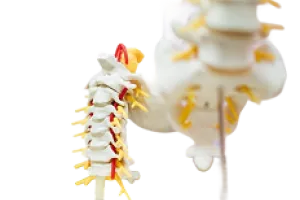
Saddle numbness (perianal / perineal anesthesia) refers to sensory loss in the perineum, inner thighs, buttocks, and genital region — the anatomical areas that would contact a saddle. This symptom is the hallmark of cauda equina syndrome (CES), a rare but potentially devastating neurological emergency resulting from severe compression of the cauda equina nerve roots (L2–S5) at or below the conus medullaris.
Without timely surgical decompression, CES can result in permanent paralysis, loss of bladder and bowel control, and sexual dysfunction. Outcome is closely related to speed of diagnosis and intervention.
| Critical Timing Evidence: Surgical decompression should ideally be performed within 24–48 hours of symptom onset to maximize recovery of neurological function. Bladder dysfunction (urinary retention) is the most commonly reported presenting symptom and, when present, requires emergency MRI within 1 hour of presentation to the emergency department. |
PRIMARY: Barraclough K. Cauda equina syndrome. BMJ. 2021;372:n32. doi:10.1136/bmj.n32 — Comprehensive review with management algorithm.
PRIMARY: British Association of Spinal Surgeons / SBNS. Standards of Care for Investigation and Management of Cauda Equina Syndrome. 2019. — Mandates emergency MRI within 1 hour for suspected CES.
SUPPORTING: Todd NV. Cauda equina syndrome: the timing of surgery probably does influence outcome. Br J Neurosurg. 2005;19(4):301–306. [PMID: 16455564]
SUPPORTING: Pace-Patterson AM, et al. Soft Tissue Extramedullary Plasmacytoma Leading to Cauda Equina Syndrome. Cureus. 2021;13(3):e14056. doi:10.7759/cureus.14056
Common Causes
- Large central lumbar disc herniation (most common; typically L4/5 or L5/S1)
- Severe lumbar spinal stenosis
- Spinal tumors (primary or metastatic)
- Spinal trauma with bone retropulsion
- Spinal epidural hematoma or abscess
- Cauda equina compression post-spinal procedure
Clinical Features of Cauda Equina Syndrome
- Saddle anesthesia (perianal / perineal sensory loss)
- Bladder dysfunction: urinary retention (most common), incontinence, or altered stream
- Bowel dysfunction: decreased rectal tone, incontinence, constipation
- Bilateral lower extremity weakness or asymmetric weakness
- Lower extremity sensory changes (numbness, tingling)
- Sexual dysfunction
- Reduced or absent lower limb reflexes (lower motor neuron pattern)
- Low back pain (often severe) with or without radicular leg pain
Investigations
- Emergency MRI Lumbar Spine (within 1 hour of presentation — British Association of Spinal Surgeons standard)
- CT Lumbar Spine (if MRI unavailable or contraindicated)
- Neurological examination
- Urological assessment (post-void residual ultrasound)
Plain X-rays are NOT adequate for diagnosing cauda equina syndrome. MRI is mandatory.
Management
- Emergency surgical decompression (ideally within 24–48 hours of symptom onset)
- Neurosurgical or spinal surgical consultation immediately
- Post-operative neurological rehabilitation
- Continence therapy and management
|
🔴 RED FLAGS — Seek Emergency Care Immediately • SADDLE NUMBNESS is a NEUROLOGICAL EMERGENCY • Urinary retention or incontinence with back pain • Loss of bowel control • Progressive bilateral leg weakness • Severe acute low back pain with any of the above • Sexual dysfunction with any of the above • → IMMEDIATE EMERGENCY MRI REQUIRED — do not delay |