






What is Memory Loss?
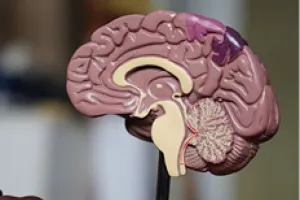
Memory loss refers to difficulty recalling information, events, names, conversations, or recently learned facts. It may affect short-term memory, long-term memory, or both.
Following a head injury, memory loss may be temporary or persistent depending on the severity of brain involvement.
Common Causes
- Concussion
- Traumatic brain injury
- Stroke
- Dementia
- Alzheimer's disease
- Brain tumors
- Seizures
- Depression
- Sleep disorders
How is it Diagnosed?
Doctors assess:
- Memory function
- Cognitive performance
- Neurological status
- Daily functioning
Investigations
- MRI Brain
- CT Brain
- Neuropsychological testing
- Blood tests
- EEG when indicated
Treatment Options
Treatment depends on the cause and may include:
- Cognitive rehabilitation
- Memory training
- Medications
- Treatment of neurological disorders
- Lifestyle modifications
When Should You Consult a Doctor?
Seek evaluation if memory problems:
- Persist
- Progress over time
- Affect work or daily activities
- Occur after head injury
Red Flags
- Sudden memory loss
- Associated confusion
- Speech difficulty
- Personality changes
- Seizures
- Weakness
FAQs
Can memory loss occur after a concussion?
Yes. Temporary memory problems are common after concussion.
Is memory loss always dementia?
No. Many reversible conditions can affect memory.
Can treatment improve memory?
Yes. Outcomes depend on the underlying cause.
When to Consult:
Memory problems should not be ignored. Early neurological evaluation can help identify treatable causes and preserve cognitive function.