
Mon–Sat, 8 AM To 10 PM

Top Articles
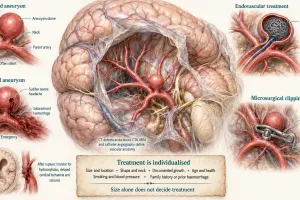

The Evidence Based, universally recognized standard of care treatments for Brain Aneurysm - Sushrut Brain and Spine
A brain or a cerebral aneurysm is a bulging in the...
Read more...




Join our Whatsapp Community
Stay connected with daily health tips, updates, and expert guidance.
Join Now
Memory Loss
What is Memory Loss?
Memory loss refers to difficulty recalling information, events, names, conversations, or recently learned facts. It may affect short-term memory, long-term memory, or both.
Following a head injury, memory loss may be temporary or persistent depending on the severity of brain involvement.
Common Causes
- Concussion
- Traumatic brain injury
- Stroke
- Dementia
- Alzheimer's disease
- Brain tumors
- Seizures
- Depression
- Sleep disorders
How is it Diagnosed?
Doctors assess:
- Memory function
- Cognitive performance
- Neurological status
- Daily functioning
Investigations
- MRI Brain
- CT Brain
- Neuropsychological testing
- Blood tests
- EEG when indicated
Treatment Options
Treatment depends on the cause and may include:
- Cognitive rehabilitation
- Memory training
- Medications
- Treatment of neurological disorders
- Lifestyle modifications
When Should You Consult a Doctor?
Seek evaluation if memory problems:
- Persist
- Progress over time
- Affect work or daily activities
- Occur after head injury
Red Flags
- Sudden memory loss
- Associated confusion
- Speech difficulty
- Personality changes
- Seizures
- Weakness
FAQs
Can memory loss occur after a concussion?
Yes. Temporary memory problems are common after concussion.
Is memory loss always dementia?
No. Many reversible conditions can affect memory.
Can treatment improve memory?
Yes. Outcomes depend on the underlying cause.
When to Consult:
Memory problems should not be ignored. Early neurological evaluation can help identify treatable causes and preserve cognitive function.
Disorientation
What is Disorientation?
Disorientation refers to an inability to recognize or understand one's surroundings, location, time, or identity. A person may become confused about where they are, what day it is, or who people around them are.
Serious disorientation often indicates impaired brain function and may represent a medical emergency.
Common Causes
- Concussion
- Traumatic brain injury
- Stroke
- Brain infection
- Dementia
- Seizures
- Brain tumors
- Metabolic disturbances
How is it Diagnosed?
Doctors assess:
- Orientation to time, place, and person
- Memory
- Cognitive function
- Neurological status
Investigations
- CT Brain
- MRI Brain
- Blood tests
- EEG
- Infection screening
Treatment Options
Treatment depends on the cause and may involve:
- Emergency neurological care
- Infection treatment
- Stroke management
- Metabolic correction
When Should You Consult a Doctor?
Immediate evaluation is recommended for sudden disorientation.
Red Flags
- Sudden onset
- Head injury
- Weakness
- Speech difficulty
- Seizures
- Loss of consciousness
FAQs
Is disorientation the same as confusion?
Disorientation is a specific form of confusion involving awareness of time, place, or identity.
Can concussion cause disorientation?
Yes.
Is disorientation an emergency?
Sudden onset disorientation should always be evaluated urgently.
When to Consult:
Serious disorientation may signal a neurological emergency and requires immediate specialist assessment.
Changes in Pupils
What are Changes in Pupils?
The pupils are the black circular openings in the center of the eyes that regulate the amount of light entering the eye. Changes in pupil size, shape, symmetry, or reaction to light can sometimes indicate serious neurological conditions.
After head trauma, unequal pupils or sluggish pupil reactions may suggest increased pressure inside the skull or injury to important brain structures.
Common Causes
- Head injury
- Brain hemorrhage
- Stroke
- Brain tumors
- Nerve damage
- Eye disorders
- Medication effects
- Migraine
How is it Diagnosed?
Doctors evaluate:
- Pupil size
- Reaction to light
- Eye movements
- Neurological function
- Vision
Investigations
- CT Brain
- MRI Brain
- Eye examination
- Neurological assessment
- Blood tests
Treatment Options
Treatment focuses on correcting the underlying condition.
This may include:
- Emergency neurosurgical care
- Stroke treatment
- Management of eye disorders
- Medication adjustment
When Should You Consult a Doctor?
Seek medical evaluation if pupil changes are new, persistent, or associated with neurological symptoms.
Red Flags
- Unequal pupils after head injury
- Loss of consciousness
- Severe headache
- Vision loss
- Weakness
- Confusion
- Seizures
FAQs
Are unequal pupils always dangerous?
Not always, but sudden changes require medical evaluation.
Can head injuries affect pupil size?
Yes. Pupil abnormalities are important indicators of brain injury.
Is imaging necessary?
Often yes, especially following trauma.
When to Consult:
Changes in pupil appearance may indicate serious neurological conditions. Prompt medical evaluation is essential.
Loss of Consciousness
What is Loss of Consciousness?
Loss of consciousness occurs when a person becomes unresponsive and unaware of their surroundings. It can last seconds, minutes, or longer.
Common Causes
- Head injury
- Concussion
- Seizures
- Stroke
- Cardiac disorders
- Metabolic abnormalities
Investigations
- CT Brain
- MRI Brain
- ECG
- Blood tests
- EEG
Treatment
Emergency stabilization and treatment of the underlying cause.
Red Flags
All episodes require urgent medical assessment.
FAQs
Is brief unconsciousness serious?
It can be, especially after trauma.
Can concussion cause unconsciousness?
Yes.
Should I go to the hospital?
Yes.
When to Consult:
Loss of consciousness is a medical emergency and should never be ignored.
Keywords
Fainting (Syncope)
What is Fainting?
Fainting, medically known as syncope, is a temporary loss of consciousness caused by a sudden reduction in blood flow to the brain. Most episodes are brief, lasting a few seconds to minutes, and are followed by complete recovery. However, fainting can sometimes indicate an underlying neurological, cardiac, or metabolic condition that requires medical evaluation.
People often experience warning symptoms such as dizziness, lightheadedness, blurred vision, sweating, nausea, or weakness before losing consciousness.
Common Causes
- Dehydration
- Low blood pressure
- Sudden drop in blood sugar
- Cardiac rhythm disorders
- Vasovagal syncope
- Severe pain
- Emotional stress
- Head injury
- Stroke
- Seizures
- Certain medications
How is it Diagnosed?
Doctors evaluate:
- Circumstances leading to the episode
- Duration of unconsciousness
- Associated symptoms
- Previous medical history
- Neurological and cardiac examination
Investigations
- ECG
- Blood pressure monitoring
- Blood tests
- CT Brain
- MRI Brain
- EEG
- Echocardiography
Treatment Options
Treatment depends on the cause and may include:
- Hydration
- Lifestyle modifications
- Medication adjustment
- Cardiac treatment
- Neurological treatment
When Should You Consult a Doctor?
Seek medical evaluation after any unexplained fainting episode.
Red Flags
- Fainting after head injury
- Chest pain
- Palpitations
- Seizures
- Limb weakness
- Repeated fainting episodes
- Prolonged unconsciousness
FAQs
Is fainting always dangerous?
No, but the underlying cause should be identified.
Can dehydration cause fainting?
Yes. Severe dehydration is a common cause.
Should I seek medical attention after fainting?
Yes, especially if it is your first episode.
When to Consult:
If you experience unexplained fainting, seek evaluation by a neurologist or physician to identify the underlying cause and prevent future episodes.
Drowsiness
What is Drowsiness?
Drowsiness refers to excessive sleepiness, reduced alertness, and difficulty staying awake. Following a head injury, drowsiness may indicate concussion, brain swelling, or intracranial bleeding.
Common Causes
- Concussion
- Brain swelling
- Intracranial hemorrhage
- Medication effects
- Sleep deprivation
- Metabolic disorders
How is it Diagnosed?
Doctors assess:
- Level of consciousness
- Responsiveness
- Neurological status
- Glasgow Coma Scale score
Investigations
- CT Scan Head
- MRI Brain
- Blood tests
- Neurological examination
Treatment Options
- Observation
- Hospital admission
- Treatment of underlying cause
- Emergency neurosurgical care when required
When Should You Consult a Doctor?
Any increasing drowsiness after head injury should be evaluated urgently.
Red Flags
- Difficulty waking the patient
- Loss of consciousness
- Vomiting
- Seizures
- Confusion
- Weakness
- Unequal pupils
FAQs
Is it normal to feel sleepy after a concussion?
Mild sleepiness can occur, but worsening drowsiness requires immediate assessment.
Can drowsiness indicate brain bleeding?
Yes. Excessive drowsiness can be a sign of intracranial hemorrhage.
Should someone with a head injury be monitored while sleeping?
Yes. Monitoring is often recommended after significant trauma.
When to Consult:
Excessive sleepiness after a head injury should never be ignored. Early neurological assessment can help identify serious complications and improve outcomes.
Convulsions
What are Convulsions?
Convulsions are sudden involuntary muscle contractions caused by abnormal electrical activity in the brain. They may involve jerking movements, loss of awareness, or temporary loss of consciousness.
Common Causes
- Head injury
- Epilepsy
- Brain infection
- Stroke
- Brain tumors
- High fever
- Metabolic disturbances
How is it Diagnosed?
Assessment includes:
- Medical history
- Witness accounts
- Neurological examination
Investigations
- EEG
- MRI Brain
- CT Brain
- Blood tests
Treatment Options
- Anti-seizure medications
- Treatment of underlying cause
- Emergency management for prolonged episodes
When Should You Consult a Doctor?
All first-time convulsions require medical evaluation.
Red Flags
- Convulsion lasting >5 minutes
- Repeated episodes
- Injury during episode
- Breathing difficulty
FAQs
Are convulsions the same as seizures?
Convulsions are a type of seizure involving muscle jerking.
Can head injury trigger convulsions?
Yes. Brain trauma is a recognized cause.
Is treatment always required?
Treatment depends on the cause and recurrence risk.
When to Consult:
Prompt neurological assessment can help identify the cause of convulsions and prevent future episodes.
Keywords
Bruising Under the Eyes (Raccoon Eyes / Periorbital Ecchymosis)
What are Raccoon Eyes?
Raccoon eyes (periorbital ecchymosis) refer to bilateral or unilateral dark bruising around the eyes following head trauma. The characteristic appearance results from blood tracking along fascial planes into the periorbital region, confined by the orbital septum. This clinical sign is most commonly associated with fractures of the anterior cranial fossa.
Importantly, raccoon eyes may not appear immediately — they typically develop 1–3 days after initial injury as blood continues to track along tissue planes. The presence of raccoon eyes, when bilateral and not caused by direct periorbital trauma, has strong predictive value for an underlying basilar skull fracture.
| Scientific Accuracy Note: Raccoon eyes are present in 50–60% of basilar skull fractures and are most reliably associated with anterior skull base fractures, particularly involving the frontal and orbital bones. |
PRIMARY: Herbella FA, et al. 'Raccoon eyes' (periorbital haematoma) as a sign of skull base fracture. Injury. 2001;32(10):745–747. [PMID: 11754879]
SUPPORTING: Simon LV, Newton EJ. Basilar Skull Fractures. StatPearls [Updated Aug 2023]. PMID: 29489178
SUPPORTING: McPheeters RA, White S, Winter A. Raccoon eyes. West J Emerg Med. 2010;11(1):97. [PMC2850869]
SUPPORTING: Solai CA, et al. Clinical Signs of Basilar Skull Fracture and Their Predictive Value. J Trauma Nurs. 2018;25(5):301–306. [PMID: 30216260]
Common Causes
- Basilar skull fracture (anterior cranial fossa)
- Facial fractures with periorbital involvement
- Severe blunt head trauma
- Road traffic accidents
- Falls from height
- Sports injuries
Investigations
- CT Head (investigation of choice in acute settings)
- CT Facial Bones (if facial fracture suspected)
- MRI Brain (selected cases for soft-tissue detail)
- Neurological examination
- Skull base assessment
Plain skull X-rays are not sensitive for detecting basilar skull fractures. Multi-detector CT (MDCT) with thin-slice scanning is recommended when basilar fracture is clinically suspected.
Simon LV, Newton EJ. Basilar Skull Fractures. StatPearls [Updated Aug 2023]. PMID: 29489178
|
🔴 RED FLAGS — Seek Emergency Care Immediately • Loss of consciousness • Clear fluid (CSF) leakage from nose or ears • Seizures • Unequal pupils • Limb weakness • Severe worsening headache • Progressive drowsiness |