



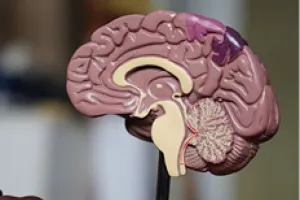





Fainting (Syncope)
What is Fainting?
Fainting, medically known as syncope, is a temporary loss of consciousness caused by a sudden reduction in blood flow to the brain. Most episodes are brief, lasting a few seconds to minutes, and are followed by complete recovery. However, fainting can sometimes indicate an underlying neurological, cardiac, or metabolic condition that requires medical evaluation.
People often experience warning symptoms such as dizziness, lightheadedness, blurred vision, sweating, nausea, or weakness before losing consciousness.
Common Causes
- Dehydration
- Low blood pressure
- Sudden drop in blood sugar
- Cardiac rhythm disorders
- Vasovagal syncope
- Severe pain
- Emotional stress
- Head injury
- Stroke
- Seizures
- Certain medications
How is it Diagnosed?
Doctors evaluate:
- Circumstances leading to the episode
- Duration of unconsciousness
- Associated symptoms
- Previous medical history
- Neurological and cardiac examination
Investigations
- ECG
- Blood pressure monitoring
- Blood tests
- CT Brain
- MRI Brain
- EEG
- Echocardiography
Treatment Options
Treatment depends on the cause and may include:
- Hydration
- Lifestyle modifications
- Medication adjustment
- Cardiac treatment
- Neurological treatment
When Should You Consult a Doctor?
Seek medical evaluation after any unexplained fainting episode.
Red Flags
- Fainting after head injury
- Chest pain
- Palpitations
- Seizures
- Limb weakness
- Repeated fainting episodes
- Prolonged unconsciousness
FAQs
Is fainting always dangerous?
No, but the underlying cause should be identified.
Can dehydration cause fainting?
Yes. Severe dehydration is a common cause.
Should I seek medical attention after fainting?
Yes, especially if it is your first episode.
When to Consult:
If you experience unexplained fainting, seek evaluation by a neurologist or physician to identify the underlying cause and prevent future episodes.