
Mon–Sat, 8 AM To 10 PM

Top Articles
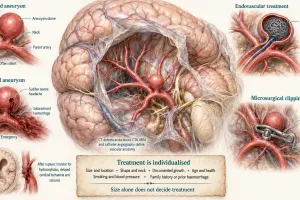
The Evidence Based, universally recognized standard of care treatments for Brain Aneurysm - Sushrut Brain and Spine
A brain or a cerebral aneurysm is a bulging in the...
Read more...




Join our Whatsapp Community
Stay connected with daily health tips, updates, and expert guidance.
Join Now
Neck Stiffness
Clinical Overview
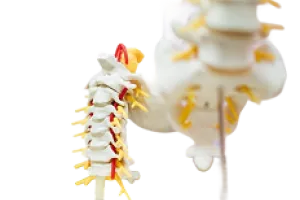
Neck stiffness (cervical rigidity) refers to reduced range of motion in the cervical spine, typically due to pain, muscle spasm, inflammation, or structural injury. It is a common post-traumatic finding but also an important clinical sign in non-traumatic neurological emergencies. In the context of fever and headache, neck stiffness (nuchal rigidity) is a cardinal sign of meningeal irritation, as seen in meningitis.
Common Causes
- Muscle strain
- Whiplash injury
- Cervical spine fracture or dislocation
- Cervical disc prolapse
- Ligament injury
- Meningitis (nuchal rigidity)
- Cervical spondylosis
- Arthritis
Investigations
- Cervical Spine X-ray (AP, lateral, odontoid views)
- CT Cervical Spine (mandatory post-trauma if fracture suspected)
- MRI Cervical Spine (for disc, cord, and ligamentous assessment)
- Neurological examination
|
🔴 RED FLAGS — Seek Emergency Care Immediately • Limb weakness or paralysis • Numbness in hands or feet • Difficulty walking or balance problems • Bladder or bowel dysfunction • High-velocity trauma mechanism • Fever with neck stiffness (possible meningitis — emergency) |


What conditions can lead to spinal cord compression?
This could be due to any of the following:
- Herniated disc — when the soft center of a spinal disc pushes out and presses on the spinal cord or nerves.
- Spinal stenosis — narrowing of the spinal canal, usually due to aging or arthritis.
- Tumors — either benign or malignant growths pressing against the spinal cord.
- Trauma or injury — fractures or dislocations that impinge on the spinal cord.
Login to Comment
